
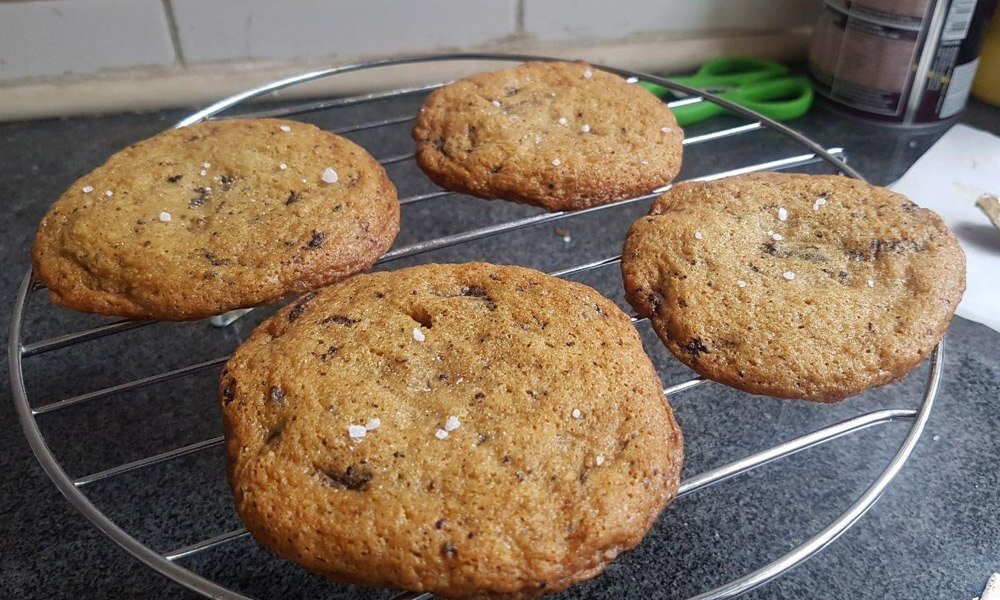
Today I finally live up to my name Cookie Rookie, and show you how to make my version of a chocolate chip cookie. I'll dive deep into every ingredient and what it contributes to the making of the final cookie. My ideal chocolate chip cookie is crunchy on the outside and soft on the inside with a seductive sprinkling of coarse sea salt to get that elusive sweet and salty balance. The following are the ingredients along with their precise amounts, the detailed descriptions will follow:
- All purpose flour- 1.5 cups (320 grams)
- Browned butter- 1 cup (220 grams)
- Eggs- 1 whole egg + 2 egg yolks
- Sugars- 3/4 cup (180 grams) light brown sugar + 1/2 cup (120 grams) toasted sugar
- Vanilla extract- 2 teaspoons (8 grams)
- Baking soda- 1 teaspoon (5 grams)
- Salt- 1/2 teaspoon (3 grams)
- Chocolate- 1 cup (240 grams) bittersweet chocolate
- Coffee- 1 teaspoon (5 grams) ground coffee
Butter
You may have been a little confused when I said brown butter, it is butter made from the milk of brown cows (Calm down, I'm just joking. Lighten up :) ).
Butter is comprised of roughly 80%-84% milk fat, 14%-18% water and around 2%-3% milk solids. That small amount of milk solids can dramatically change how your butter behaves. Ethiopian clarified butter or ቅቤ is made by heating the butter until the milk solids get toasted, spiced, then the butter is left alone to set and then strained.
The making of browned butter follows a similar route. You gently heat the butter then after the water boils off, the milk solids toast and the butter takes on a light brown color with a nutty taste and aroma.
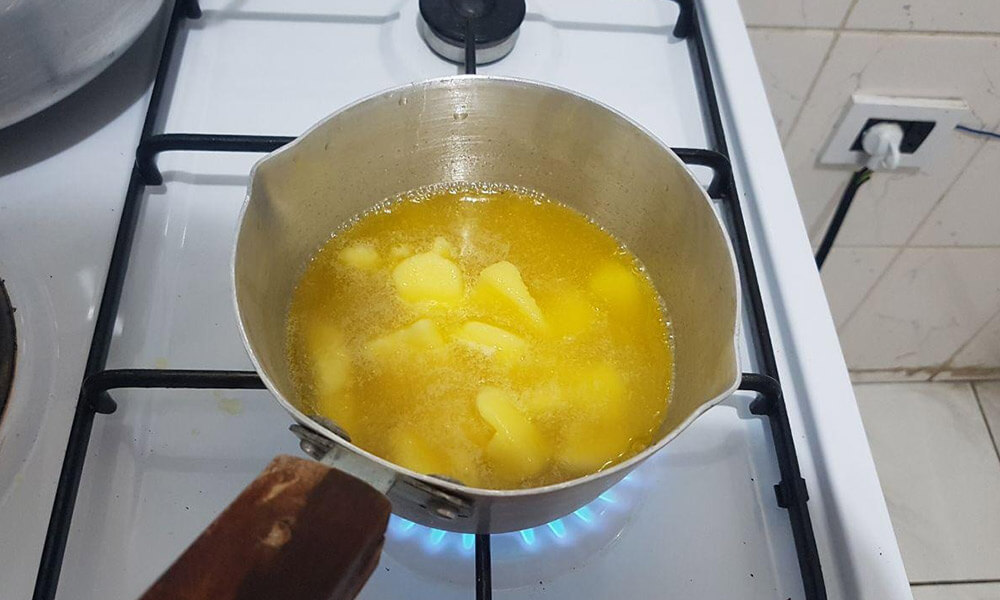
After the butter reaches this stage, move it to a heat proof bowl so it stops cooking. If you simply take the pot off the heat, the carry-over heat retained might continue heating the butter, risking it being burned.
Set aside the browned butter and wait for it to cool down. I recommend doing this step first so you can assemble everything else while it cools.
Eggs
An egg might seem like a humble ingredient but it's anything but. It's one of a few things that can be a dish all on it's own while also being able to play important supporting roles in other dishes and baked goods. Although the whites and yolk share the same home, they are very different.
A yolk comprises of around 50% water, 34% fat and 16% protein while egg whites comprise of roughly 90% water and 10% proteins. What does this mean for cookies? The higher fat and protein content of fats and proteins lead to a fudgy and rich cookie while more of the whites mean more water and more leavening.
So to reach the ideal goal of a fudgy dense cookie with moderate amount of lift, I settled on using 1 whole egg and 2 yolks. However if you would like your cookie to have more of a cakey structure (I'll only judge you a little bit), then you can substitute with 3 whole eggs.
Sugars
Toasted Sugar
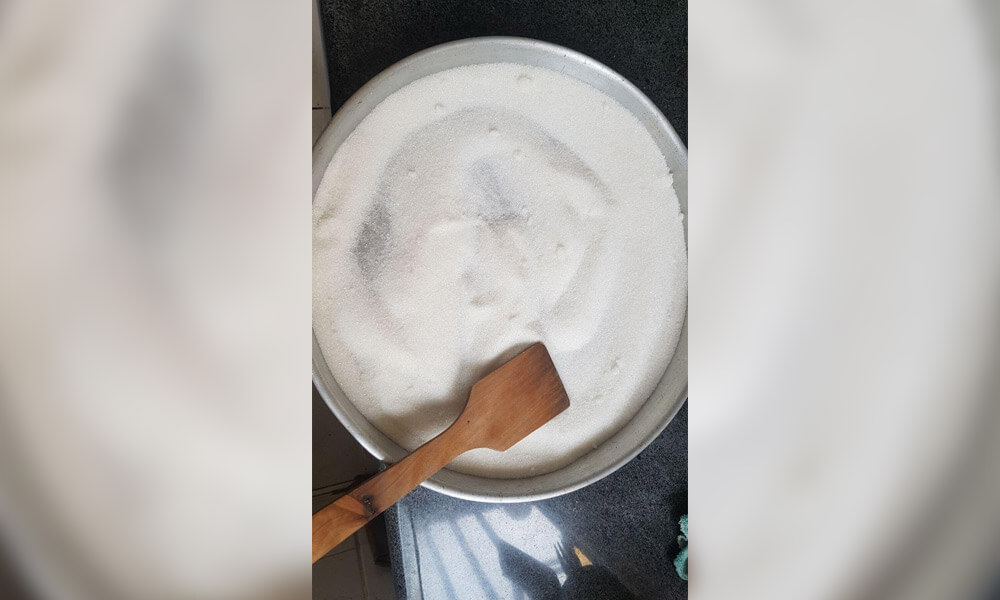
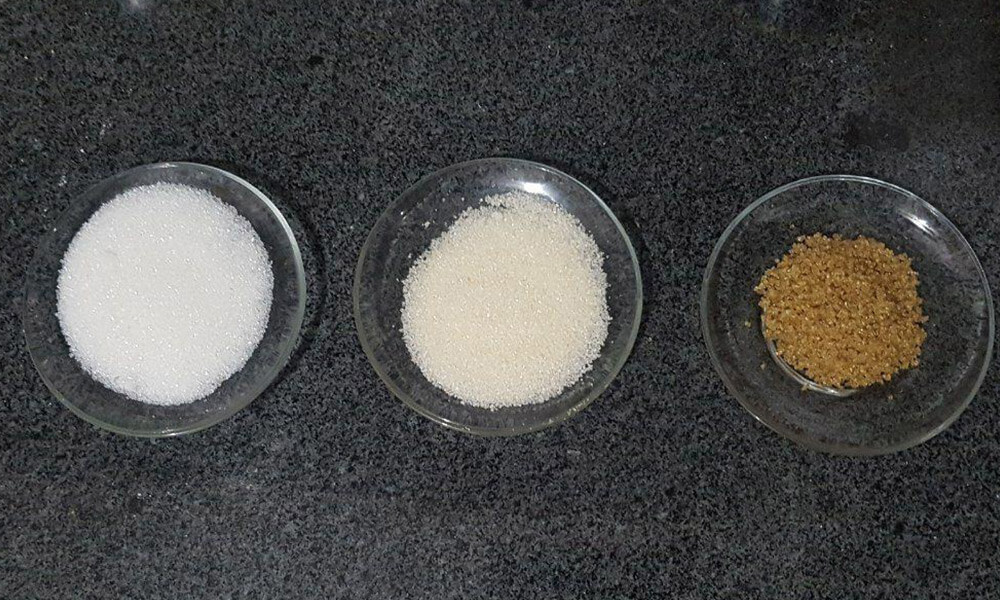
Toasted sugar is a from of light caramel that's achieved by heating sugar in a low oven for several hours. Start with a large amount of sugar so it'll be easier to toast and can also be stored and used for other applications.
Note: It's better to use a glass or ceramic baking dish because glass and ceramic conduct heat less effectively, hence are less likely to melt the sugar. With that being said, you still can use metal, you'll just have to stir more often.
Place your sugar in a large baking tray and put in an oven heated to 150 degrees Celsius.
Note: Stir very thoroughly every time, making sure to bring the hotter sugar granules from the edges to the center of the tray.
Brown Sugar
Using brown sugar in a cookie recipe changes more than just the sweetness. What differentiates brown sugar from granulated sugar it its higher molasses content, this does two main things.
(1) Texture in the form of flexibility and chewiness. A cookie made entirely from granulated sugar is brittle and would snap right in half if you flex it. On the other end of the spectrum, a cookie made entirely from brown sugar will bend with ease with no particular brittleness. The key for the cookie in this recipe is striking a balance but with a slightly larger portion taken by brown sugar.
(2) Brown sugar is slightly acidic, and sugar has a tendency to get acidic when heated. The baking soda, an alkali, reacts with the acidic sugar and creates carbon dioxide that leavens the cookie just enough to make it spread but not make it puff like a cake.
Chocolate
The name "Chocolate chip cookie" suggests the use of chocolate chips but I argue there is something better. Chocolate chips are all the same shape and size, sure it makes for even chocolate distribution but they're pretty boring. Get bars of chocolate and chop them up yourself with a serrated knife. This way you get anywhere between larger chocolate pieces that melt into pools of chocolate to fine chocolate dust that blends right into the cookie dough.
Time
This is the last piece of the cookie puzzle, resting the cookie dough before baking. Now this might seem like a trivial step but it makes a huge difference in the flavor of the cookie. To understand why time makes such a big difference, we will need to look at one of the most important chemical reactions in cooking called the Maillard Reactions.
The Maillard reactions happen every time you brown food, say, meat. That's why seared and browned meat tastes better than its raw counterpart. Now let's bring this to the context of these cookies. Your eventual goal when baking the cookies is to break down the starches and proteins in the flour into tiny pieces and then reconstruct them into brand new flavor compounds (this, essentially, is the Maillard reaction). But the whole process of deconstructing and reconstructing molecules is pretty tedious. This is where enzymes called proteases and amylases come in. During the time that the cookie dough rests, these enzymes get to work breaking down all those compounds we mentioned earlier, making it much easier for the Maillard reactions to take place.
I recommend resting the cookie dough for a minimum of 24 hours for up to days! You would not believe how big of a difference this makes.
That's enough of the science lessons!
Preparation
In a bowl, combine your flour, salt and baking soda. Mix thoroughly and set aside.
In a separate large bowl, dump in your sugars along with the cooled brown butter and whisk thoroughly until dissolved. Add your ground coffee and nix until dissolved (You won't taste the coffee in the cookie, it will just amp up the chocolate flavor). Add the whole egg and yolks one at a time, whisking in between until you get a pale, ribbony mixture. Then in thirds, add your flour mixture and mix until just combined. Proceed by adding your chopped chocolate then fold into the dough using a spatula.
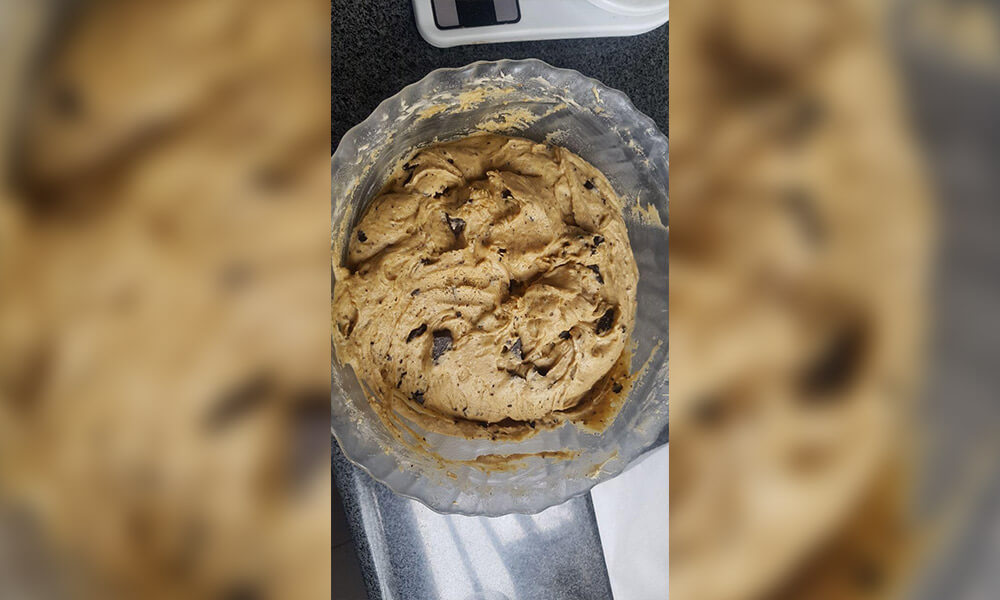
Then into the fridge it goes, covered, for a minimum of 24 hours.
Baking
To achieve the crispy edges and and soft center, the size of the cookie matters. Make it too small and by the time the cookie sets, it will be even throughout and will be evenly cooked. Make it too big and by the time the edges set it will basically be raw in the center. The middle ground is 3 tablespoons or 48 grams to be precise.
Weigh your chunks of dough (or don't) then roll them into balls and tear them in almost all the way in half as shown:
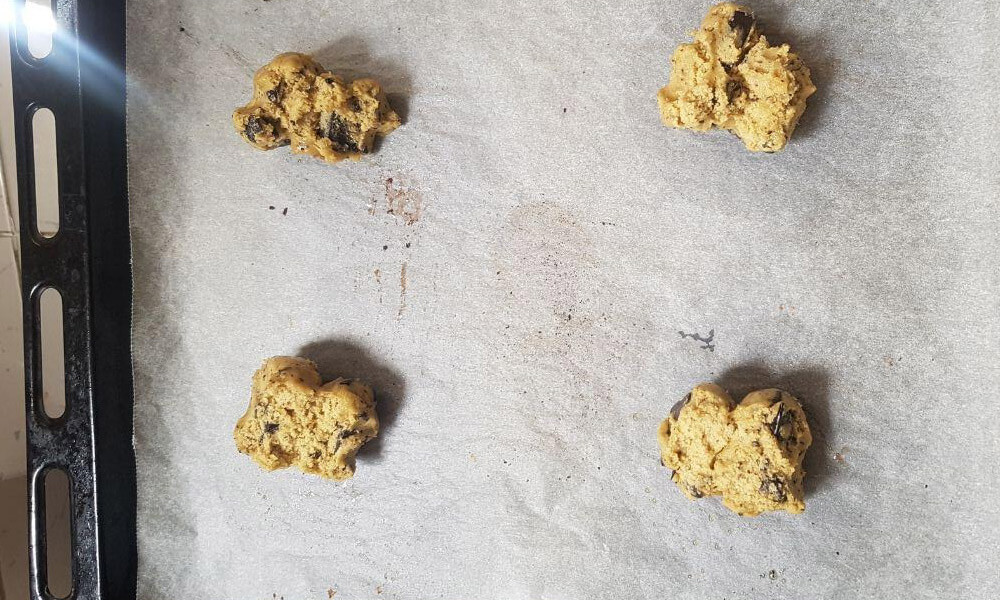
This gives them a rustic look that I really happen to like (It's absolutely okay if you just roll them into balls and bake them). I wouldn't recommend baking more than 4 at a time because they tend to spread out a lot and you wouldn't want them to touch.
Bake in a preheated 180 degree Celsius oven for around 10-15 minutes or until the edges are set and the inside is soft.
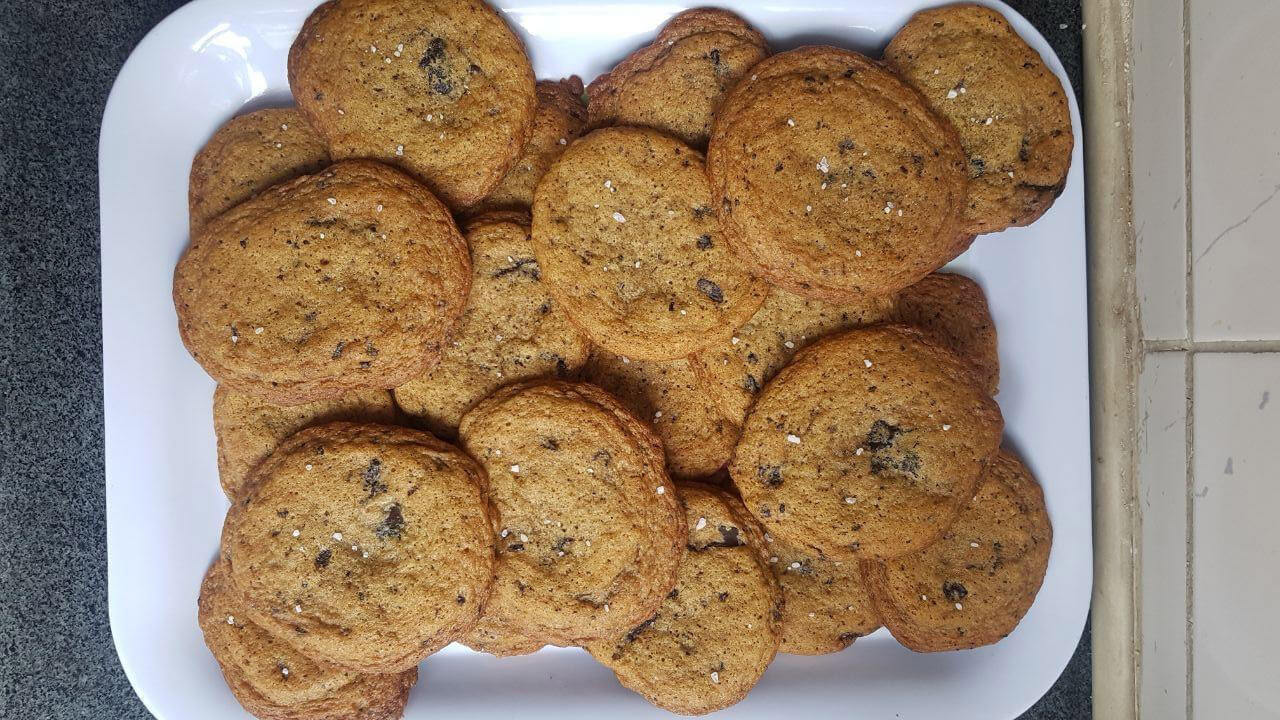
Then optionally put some coarse sea salt on top so you get that sweet and savory taste going. (If you use table salt or kosher salt, be careful not to put too much or the cookies will be too salty).
We'll that was a head spinner! That's probably way more information about cookies than you'd ever need. I'm not such a cookie rookie after all😄 (I'd rather not say how long I've been waiting to use that joke)
As always
Keep Cooking❤️
Cookie Out.